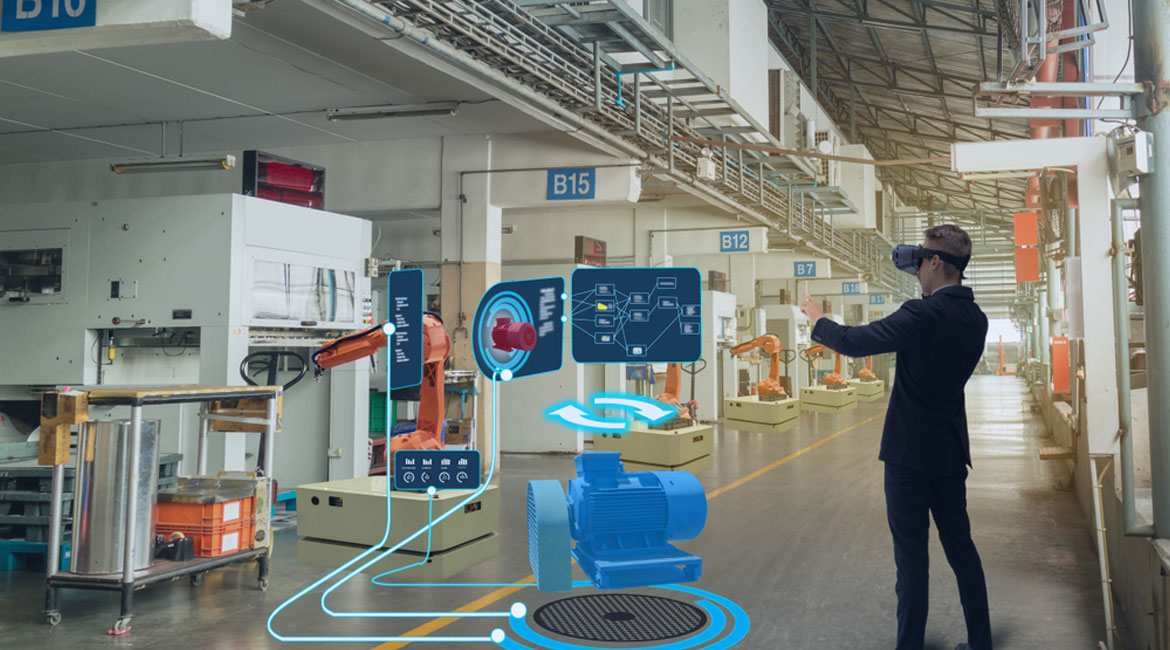
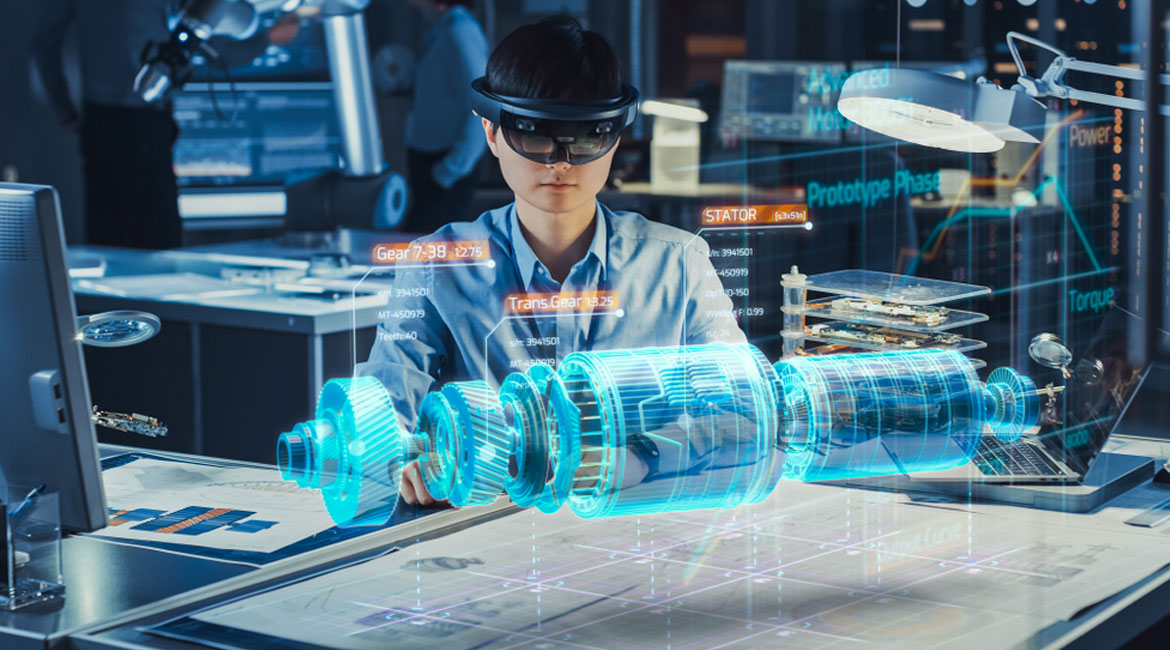
The Internet of Things (IoT) refers to the growing network of physical devices, vehicles, buildings, and other items that are connected to the internet, allowing them to collect and share data. These devices, also known as "smart" devices, range from common household items such as thermostats and lightbulbs, to industrial equipment and even entire buildings. The IoT allows for improved efficiency, cost savings, and new revenue streams through the collection and analysis of data from these connected devices.
One of the key components of the IoT is the ability for devices to communicate with one another, often referred to as "machine-to-machine" (M2M) communication. This allows for the automation of certain tasks, such as adjusting the temperature in a room based on occupancy, or shutting off equipment when it is not in use.
Some of the benefits of the IoT include increased efficiency in manufacturing and supply chain management, improved monitoring and control of critical infrastructure, and the ability to gather and analyze data to make better-informed decisions. In addition, the IoT has the potential to improve the quality of life for individuals by providing new and innovative services and products, such as smart homes and personalized healthcare.
However, the IoT also presents certain challenges, including privacy and security concerns, and the need for standardization and interoperability to ensure that devices from different manufacturers can communicate with one another.
Overall, the IoT has the potential to bring about significant changes in the way we live and work, and it is important for individuals and organizations to be aware of the opportunities and challenges presented by this technology.