Edge computing is a distributed computing paradigm that brings computation and data storage closer to the devices and users that generate and consume the data. This is in contrast to traditional centralized cloud computing, where data is transmitted over a network to a remote data center for processing.
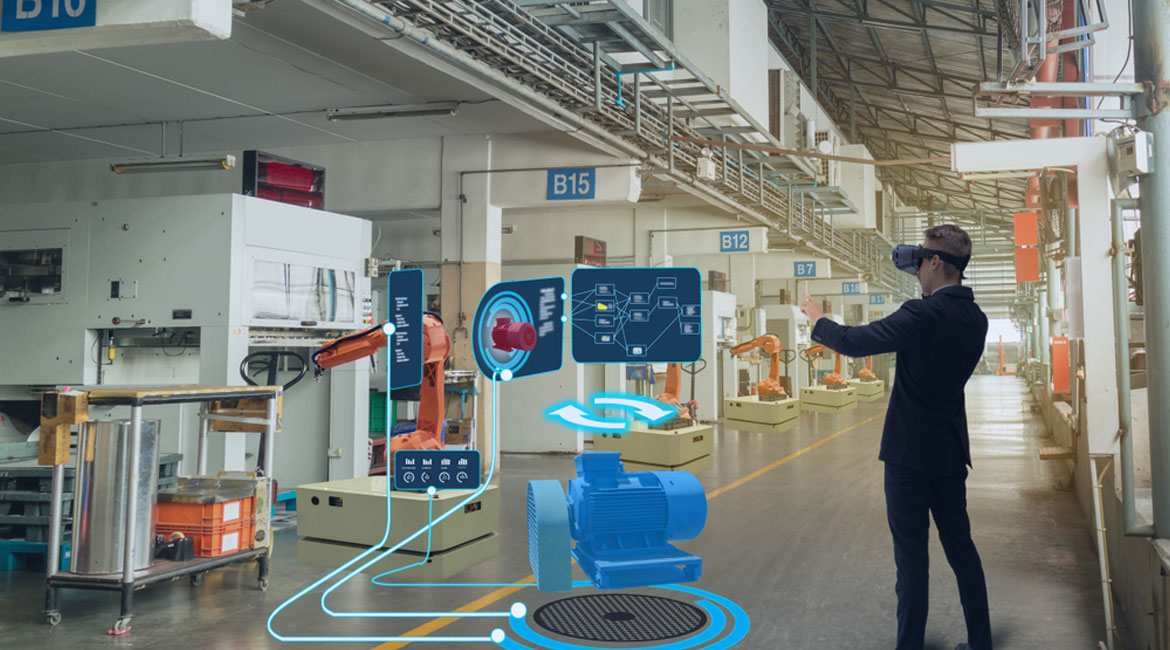
The main advantage of edge computing is that it reduces the latency of data processing and improves the responsiveness of applications. By processing data at or near the source, edge computing eliminates the need for data to travel over a network, which can be slow and unreliable. This is particularly important for applications that require real-time processing, such as video and audio streaming, autonomous vehicles, and industrial internet of things (IIoT) systems.
Edge computing also enables more efficient use of bandwidth and reduces the load on centralized data centers. Instead of transmitting large amounts of data to a remote location, edge computing allows data to be processed and analyzed at the edge of the network, reducing the need for network traffic and storage.
Another advantage of edge computing is that it allows for more secure and privacy-respecting data processing. By processing data at the edge, sensitive information can be kept within the local network, reducing the risk of data breaches and the need for data encryption.
Edge computing can be implemented in a variety of ways, including through the use of edge devices such as gateways, routers, and servers that are located at the edge of the network, or through the use of mobile edge computing (MEC) platforms that are deployed on mobile devices such as smartphones and tablets.
Despite the many benefits of edge computing, there are also some challenges that need to be addressed. One of the main challenges is the management and coordination of edge devices and resources, which can be difficult due to the distributed nature of edge computing. Additionally, there are concerns about the security of edge devices and the need for robust and reliable network connectivity.
Overall, edge computing is a promising technology that has the potential to significantly improve the performance and responsiveness of a wide range of applications. As the amount of data generated by devices and users continues to grow, edge computing will become increasingly important for managing and processing this data in a timely and efficient manner.