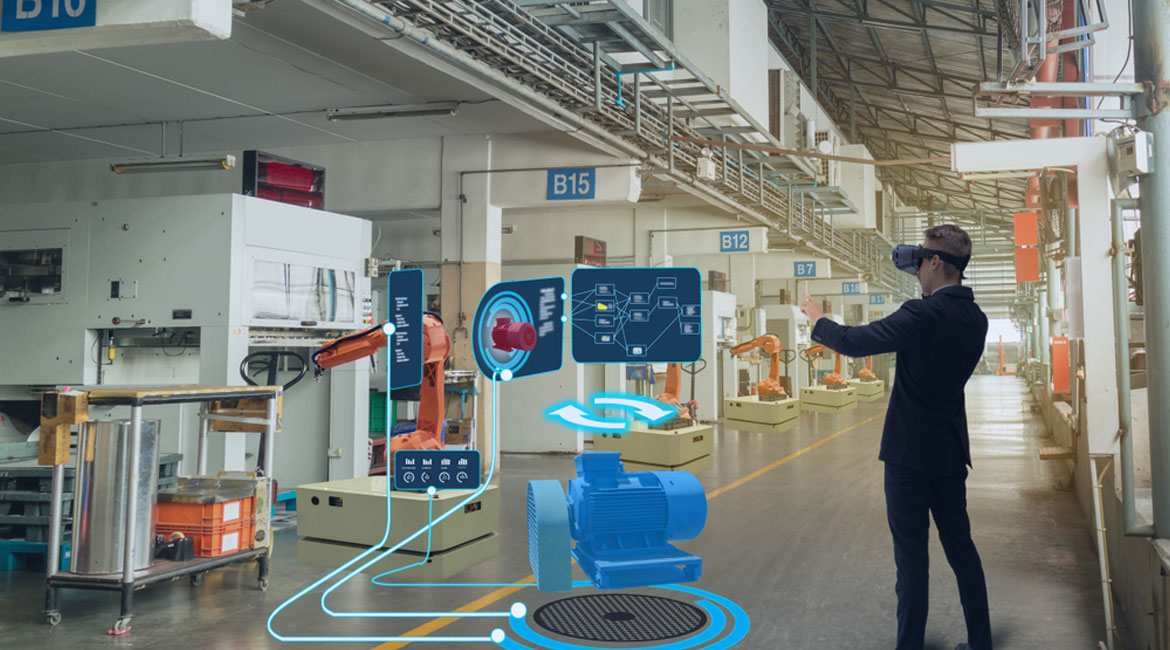
Automation and low-code/no-code platforms are both tools that aim to make software development faster and more accessible to a wider range of people.
Automation refers to the use of technology to automate repetitive tasks, such as testing and deployment, in order to save time and reduce errors. Automation can be applied to a wide range of software development tasks, including continuous integration and continuous deployment (CI/CD), infrastructure provisioning, and monitoring. Automation can be implemented using a variety of tools, such as scripts, command-line utilities, or specialized automation software.
Low-code/no-code platforms are a type of software development tool that allows users to create applications without writing traditional code. These platforms typically provide a visual interface, such as drag-and-drop components, that make it easy to create and customize applications without needing to know how to code. Low-code/no-code platforms can be used to create a wide range of applications, from simple business process automation tools to more complex enterprise systems. Some examples of low-code/no-code platforms are: Appgyver, Outsystems, Salesforce, etc.
Together, automation and low-code/no-code platforms can be used to create a more efficient and flexible software development process. Automation can be used to streamline repetitive tasks and reduce the need for manual intervention, while low-code/no-code platforms can be used to create applications quickly and easily without needing to write code. This can help organizations to be more responsive to changing business needs and deliver value to their customers faster.
However, it's important to note that not all tasks and projects can be automated or built with low-code/no-code platforms, complex and specific tasks may still require the expertise of software engineers. Additionally, low-code/no-code platforms may not provide the level of flexibility and control that is possible with traditional coding, and may not always be suitable for larger or more complex projects.